Using Games to Teach Science: Turning Curiosity into Lifelong Learning
By Xogos Gaming · August 3, 2026 · STEM, Science, Curriculum
Science Was Never Meant to Be Memorized
For many students, science becomes a subject filled with vocabulary lists, formulas, diagrams, and laboratory reports. While these are valuable tools, they often leave students asking the same question:
"Why does this matter?"
The truth is that science was never intended to be a collection of facts to memorize. Science is the study of discovery. It is about asking questions, solving problems, experimenting, observing, and understanding the incredible world around us.
Children are naturally curious. They ask why the sky is blue, how birds fly, why volcanoes erupt, why insects have six legs, and how the human body heals itself. The challenge for educators is not creating curiosity—it is preserving it.
One of the most effective ways to accomplish that is through educational games.
The Science Behind Learning Through Play
For decades, educational researchers have studied how games influence learning. Their findings consistently point to an important conclusion: when games are thoughtfully designed around educational objectives, they can increase motivation, encourage active participation, provide immediate feedback, and support long-term retention of knowledge.
Unlike passive instruction, games:
· Require students to make decisions.
· Every decision activates thinking.
· Every challenge requires problem-solving.
· Every success reinforces learning.
Instead of simply hearing information once, students repeatedly retrieve knowledge while playing. Cognitive psychology has shown that repeated retrieval—often called "retrieval practice"—helps strengthen memory and improves long-term retention. Likewise, educational research has found that timely feedback helps students correct misunderstandings before they become lasting habits.
Games naturally combine both of these powerful learning strategies.
Learning by Doing
Imagine trying to teach someone to ride a bicycle.
Would you hand them a textbook? Probably not. You would let them ride.
Science works much the same way. Students learn chemistry by experimenting. They learn biology by observing living things. They learn geology by identifying rocks and understanding Earth's processes. They learn astronomy by exploring the universe.
Games place students into situations where they actively use scientific ideas rather than merely reading about them. The result is learning through experience instead of memorization alone.
Building Stronger Scientific Thinking
Great science education teaches much more than scientific facts.
It teaches students how to think.
· Scientists ask questions.
· They gather evidence.
· They test ideas.
· They make predictions.
· They evaluate results.
· Games naturally encourage these same habits.
· Players constantly observe patterns.
· They test strategies.
· They adapt when something fails.
· They develop new solutions.
Many of the same thinking skills that help students succeed in games are also the skills used by scientists every day.
Games Increase Motivation
One of the greatest challenges teachers face is maintaining student engagement.
Games address this challenge by providing students with meaningful goals. Instead of asking students to complete another worksheet, games give them missions to accomplish. Instead of memorizing vocabulary simply to pass a test, students use scientific concepts to solve problems. Instead of waiting days to discover whether they were correct, students receive immediate feedback.
Educational psychologists have found that students are more likely to persist through difficult tasks when they experience appropriate levels of challenge combined with clear goals and regular feedback.
This is one reason well-designed educational games can keep students engaged even when the material becomes increasingly difficult.
Science Becomes Personal
Science surrounds students every day.
· The weather.
· Plants.
· Animals.
· Medicine.
· Food.
· Technology.
· Electricity.
· Space.
· Their own bodies.
Unfortunately, many students never make those connections.
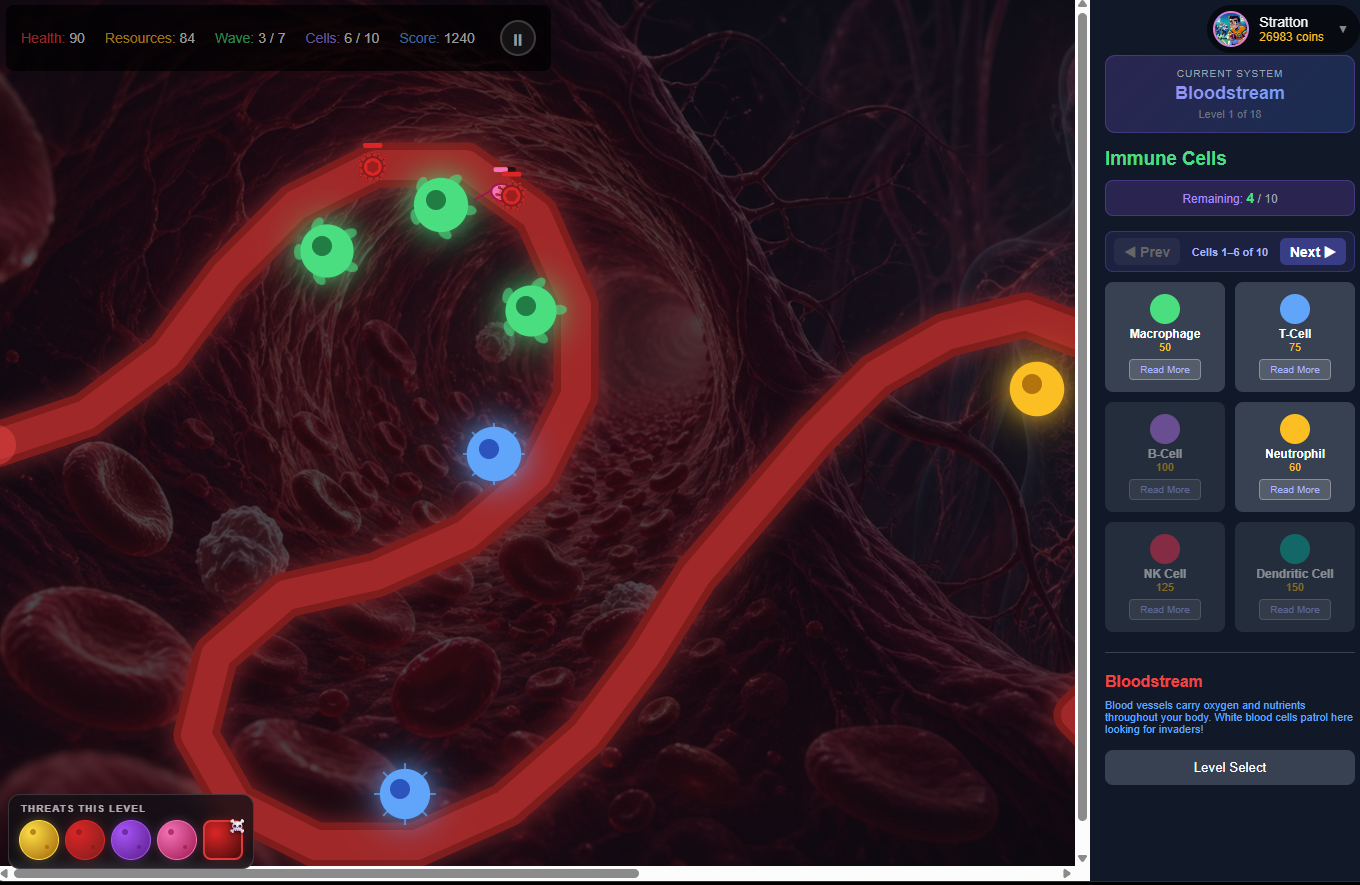
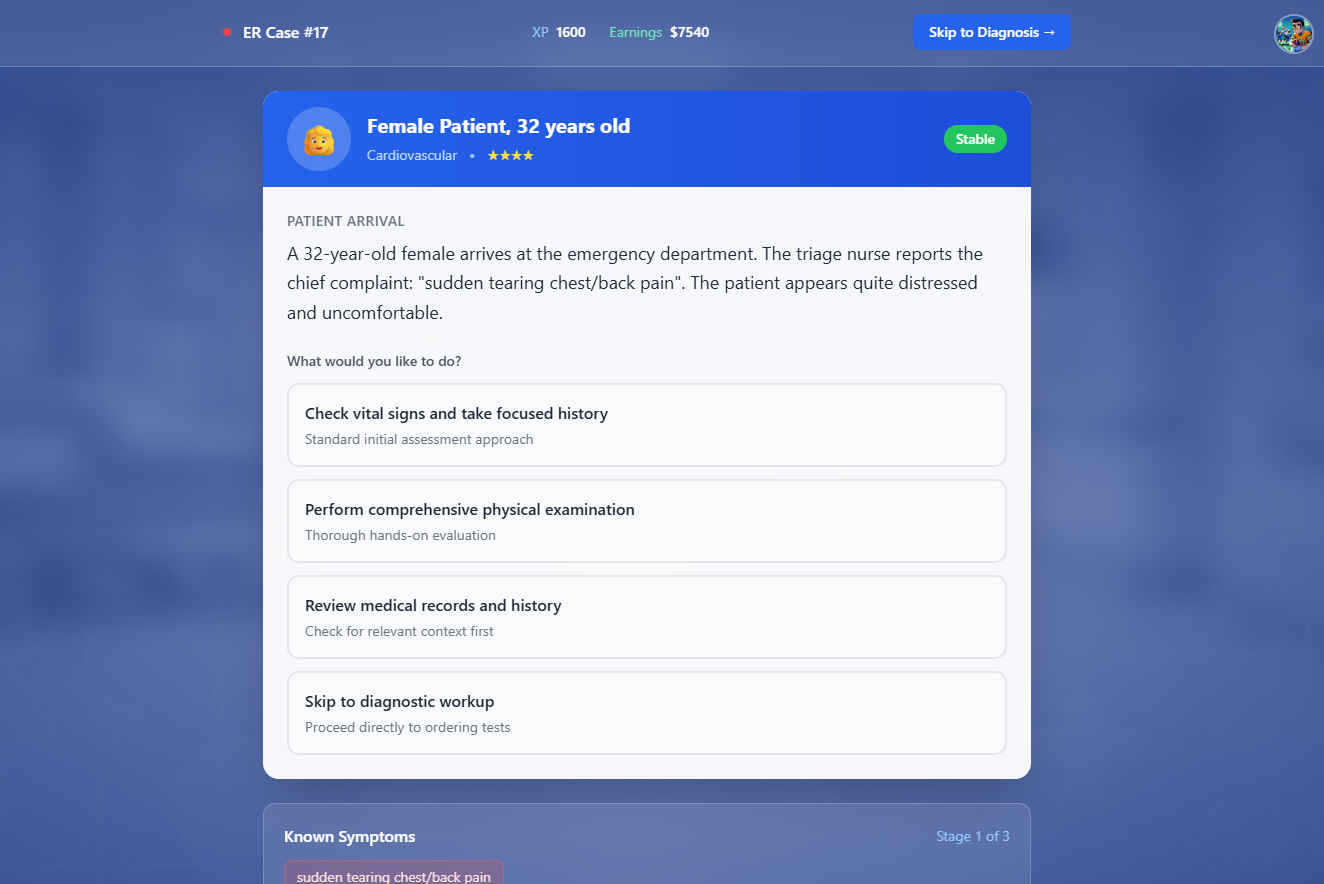
Games can bridge that gap. When students build ecosystems, balance food chains, diagnose illnesses, explore caves, classify insects, discover fossils, or protect endangered species inside a game, scientific ideas become meaningful experiences instead of isolated classroom lessons.
Students begin to see science everywhere they look.
Learning That Lasts
Many students memorize information just long enough to pass an exam. Weeks later, much of it has disappeared.
One reason educational games can help improve retention is that they often combine multiple elements known to support learning: repeated practice, meaningful context, active decision-making, and emotional engagement. Experiences that students find enjoyable or memorable are often easier to recall later than facts learned only through rote repetition.
Students rarely remember every worksheet they completed.
· They often remember experiences.
· They remember discoveries.
· They remember solving difficult challenges.
· They remember working together with friends.
The goal of science education should not simply be helping students pass tomorrow's test. It should be helping them understand the world for the rest of their lives.
Games Encourage Collaboration
Many scientific breakthroughs have not come from individuals working alone. They came from teams. Modern science depends on communication, collaboration, and sharing ideas.
Many educational games naturally encourage these same skills.
· Students explain their reasoning.
· They discuss possible solutions.
· They learn from one another.
· They celebrate discoveries together.
These experiences help prepare students not only for science classrooms but for future careers in engineering, medicine, environmental science, biotechnology, research, and countless other scientific fields.
Meeting Students Where They Already Are
Today's students have grown up surrounded by technology. Many already spend part of their day playing games, watching videos, or interacting with digital media. Rather than viewing technology only as a distraction, educators have an opportunity to transform it into a powerful educational tool.
The goal is not replacing teachers. The goal is extending learning beyond the classroom.
Educational games can reinforce concepts introduced by teachers, provide additional practice, and encourage students to continue exploring scientific ideas at home in ways that feel enjoyable rather than mandatory.
The Future of Science Learning with Xogos
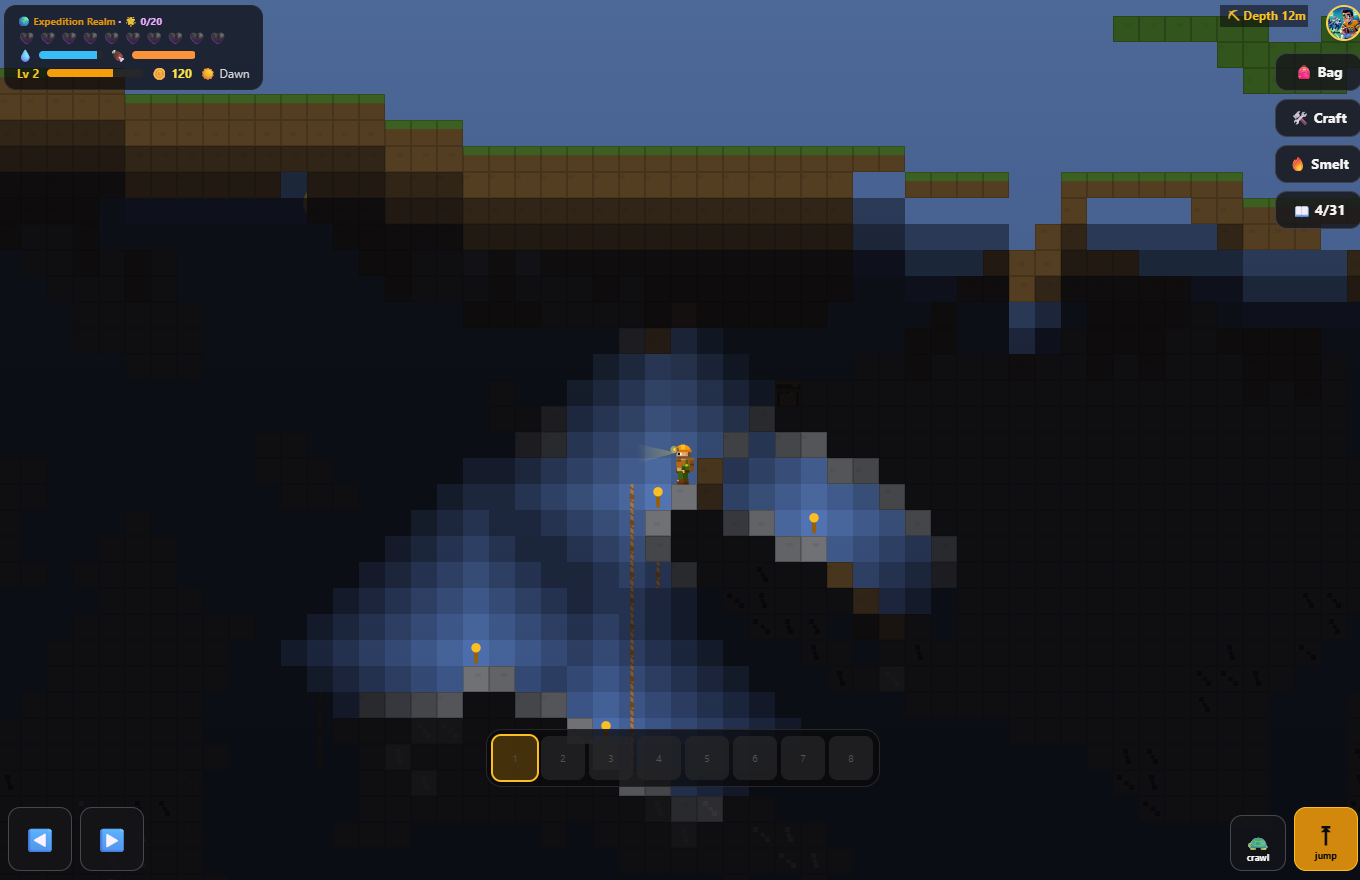
This philosophy is exactly what inspired Xogos.
We recognize that many students already enjoy digital games, so rather than fighting against that reality, we choose to meet students where they are. Our goal is to transform screen time into learning time by designing games that naturally integrate scientific discovery with engaging gameplay.
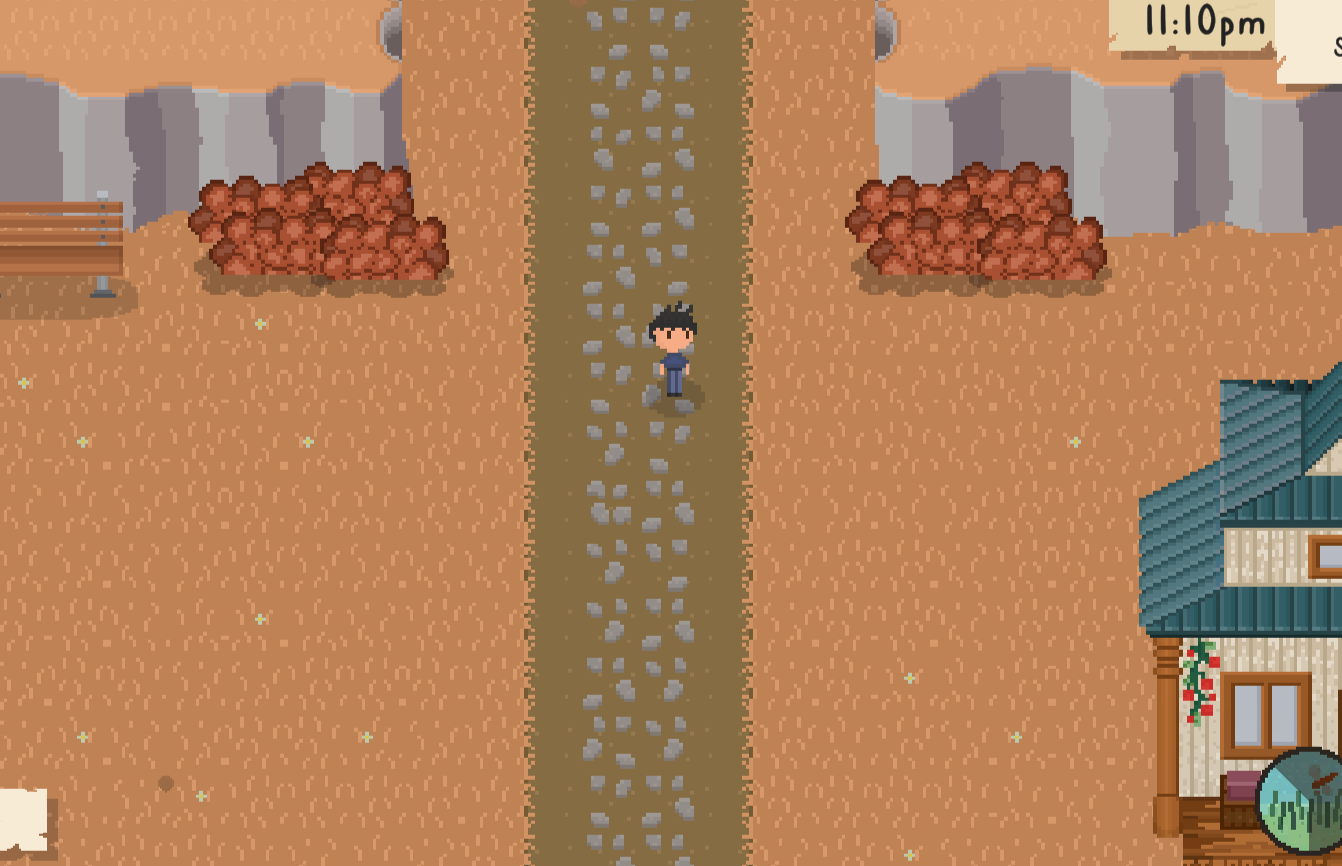
Students can explore a growing collection of scientific fields, including Environmental Science, Geology, Entomology (the scientific study of insects, featured in our Bug Science experiences), Biology, Medical Science, Earth Science, Ecology, Physics, Chemistry, Astronomy, and many more as the platform continues to grow.
Each game is designed to reinforce scientific concepts introduced in classrooms while encouraging students to ask questions, investigate further, and continue learning at home. Rather than replacing traditional instruction, Xogos is built to complement it—giving students additional opportunities to practice, experiment, solve problems, and strengthen their understanding through play.
Our vision is simple: make science something students look forward to learning. When curiosity is combined with meaningful challenges, engaging gameplay, and real educational purpose, students don't just remember scientific facts—they begin thinking like scientists. That curiosity can last far beyond a single school year, inspiring a lifetime of discovery and a deeper appreciation for the remarkable world God has created.