What Does Virtual Dyslexia/Literacy Intervention Look Like?
By Ember and Ivy Literacy · October 10, 2026 · Tutoring
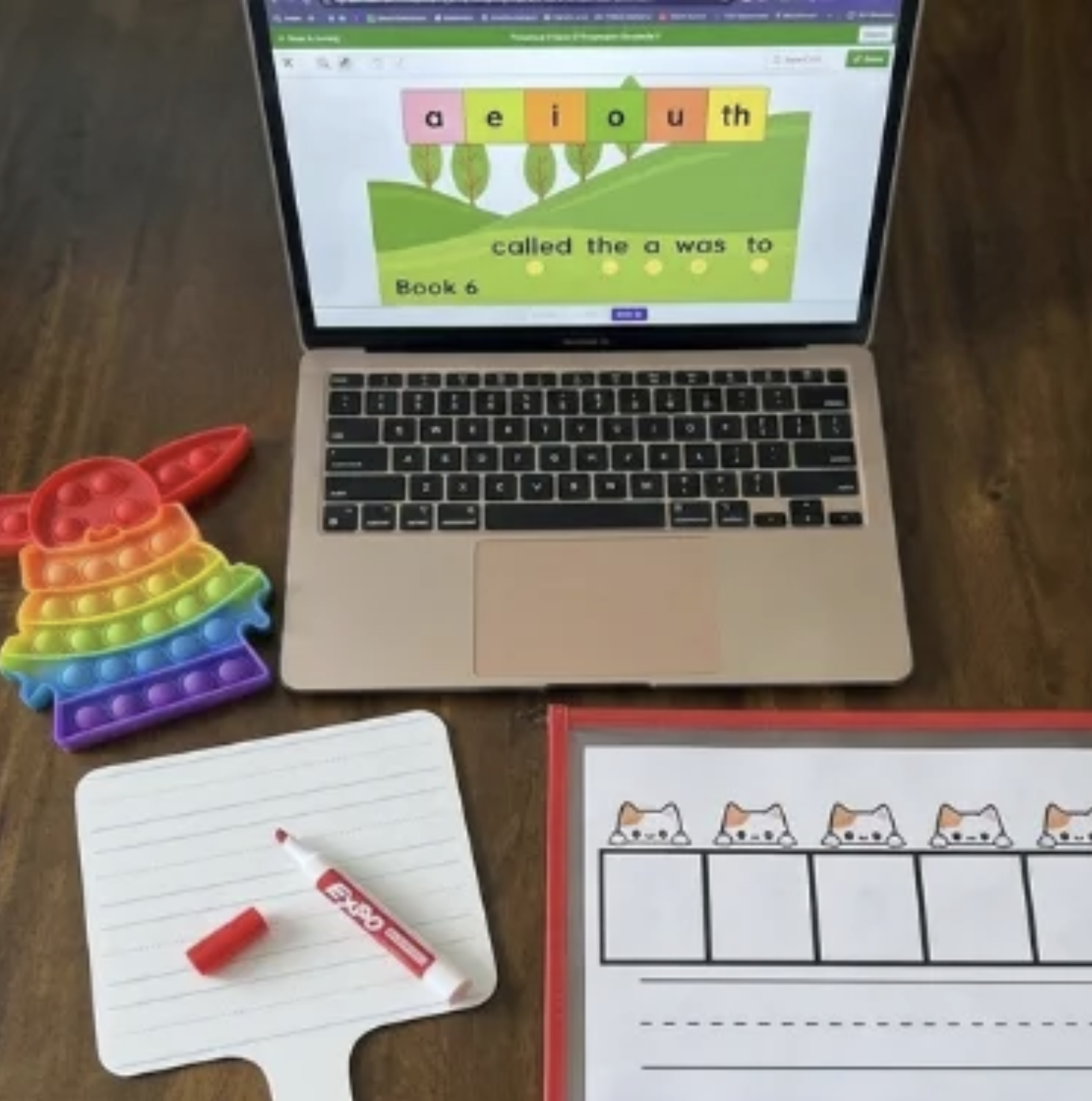
For parents who are considering intervention but haven’t started yet, one of the most common hesitations is not knowing what to expect. What does a session actually look like? What is the child doing for 45 minutes or an hour? Will my child hate it?
These are fair questions. Here’s a straightforward look at what a structured literacy intervention session typically involves — and why each part matters.
It Is Not Tutoring in the Traditional Sense
Dyslexia intervention is not a tutor helping a child get through tonight’s homework. It is specialized instruction designed to rewire how the brain processes written language. That means the session follows a specific structure, covers specific skills, and builds toward mastery over time. It looks different from what most people picture when they think of tutoring.
A Typical Session Structure
While every program has its own scope and sequence, most structured literacy sessions follow a predictable rhythm. That predictability is intentional — students with dyslexia benefit from routine because it reduces cognitive load and lets them focus on the skill being practiced.
Here is what a session typically includes:
Phonemic Awareness Warm-Up
The session often opens with brief oral exercises — blending sounds, segmenting words, or manipulating phonemes without any print involved. This strengthens the foundational awareness of how spoken language is structured, which is often a core weakness for students with dyslexia.
Sound-Symbol Review
Students review previously learned sound-letter correspondences using cards or on-screen tools. This is fast-paced and builds automaticity — the goal is instant recognition, not slow recall. In a virtual session, this might look like the specialist flipping digital cards while the student responds quickly.
New Concept Introduction
One new skill is introduced at a time — a syllable type, a spelling rule, a vowel pattern. The specialist explains it, models it, and connects it explicitly to what the student already knows. Nothing is assumed. Everything is taught directly.
Word Reading and Spelling Practice
The student reads and spells words containing the new and previously learned patterns. This is not guessing from context — it is decoding practice, applying phonics rules systematically. The specialist gives immediate corrective feedback. If the student makes an error, it is addressed in the moment with a clear explanation.
Passage Reading
The student reads a short decodable passage — text written to include only the patterns already taught. This is not a grade-level chapter book. It is carefully controlled text that lets the student practice fluency with skills they have mastered. It is also often the part students find most satisfying because they can actually read it.
Dictation
The specialist dictates words or sentences and the student writes them. This integrates spelling, phonics, and fluency in one task. It is also one of the most diagnostic parts of the session — how the student spells reveals exactly where their understanding is solid and where it still needs work.
What This Looks Like Virtually
In a virtual session, the structure is the same. The specialist shares a screen or digital whiteboard, uses on-screen letter tiles or cards, and the student responds verbally or by writing on their end. Sessions are one-on-one, which means the specialist is focused entirely on that child — adjusting pacing, responding to errors immediately, and keeping engagement high.
Many families are surprised to find that their child engages better in a virtual one-on-one session than in a classroom or group tutoring setting. With dyslexia, the absence of public comparison and the presence of an adult whose entire attention is on them makes a significant difference.
How Long and How Often?
Session length varies by program and student age, but most structured literacy sessions run 45 to 60 minutes. Frequency matters: two to three sessions per week is typical for meaningful progress. One session a week can maintain skills but often isn’t enough to drive the kind of accelerated growth that students with dyslexia need to close the gap.
Will My Child Push Back?
Some will, especially at first. Students with dyslexia have often spent years struggling and have protective strategies built around avoiding reading tasks. It is normal for a child to be reluctant going into the first few sessions.
What shifts — usually within a few weeks — is that the instruction starts making sense to them in a way that school often hasn’t. When a child who has never understood why letters do what they do suddenly has a rule that explains it, that is a powerful moment. The resistance tends to drop when the work starts to feel winnable.